Digitalisation is often presented as a solution for faster, simpler, and more efficient public services. But what happens when digital systems become difficult to navigate, fragmented, or inaccessible for some citizens?
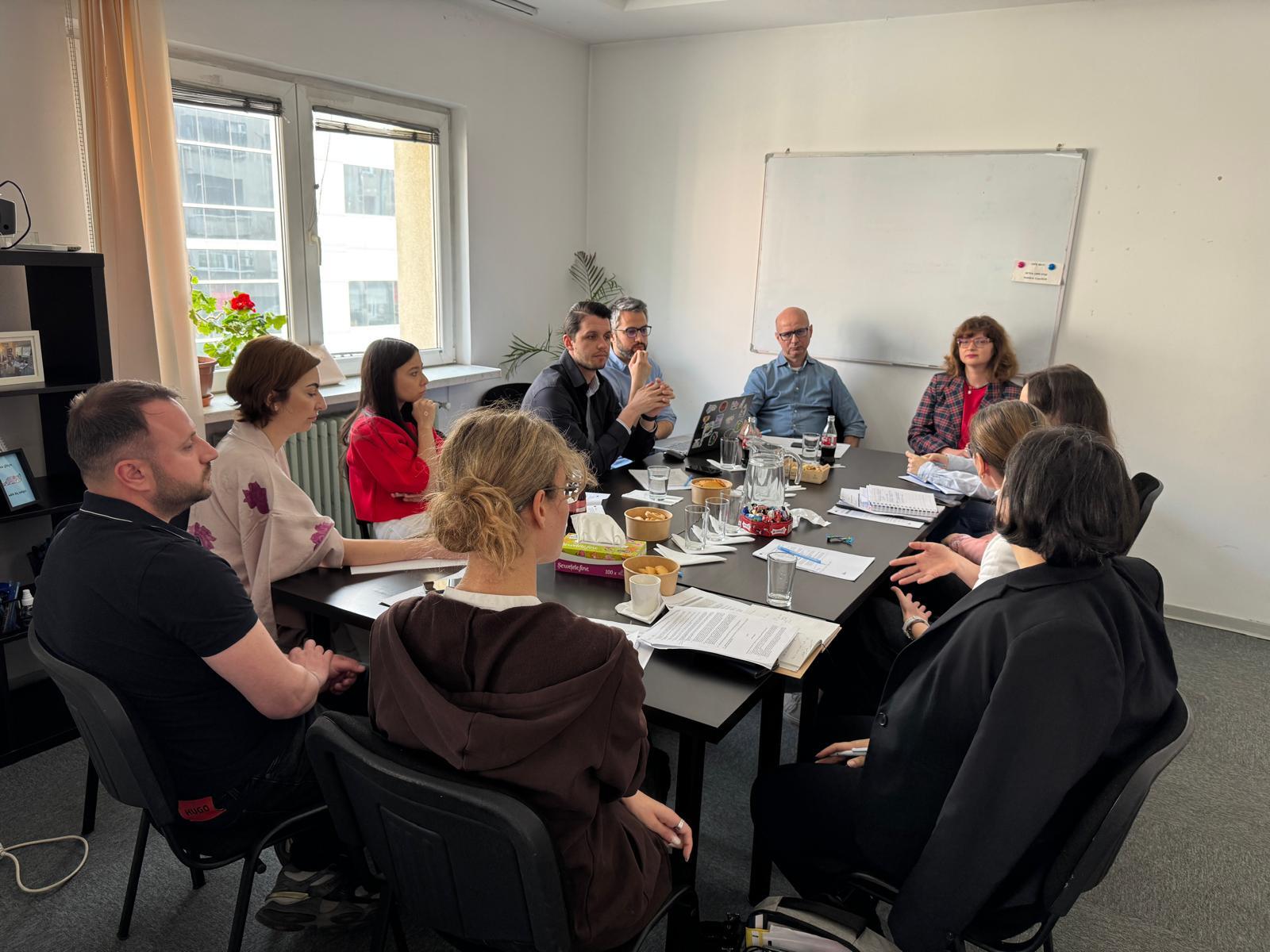
As part of our ongoing work on fairness in digital public services, CRPE organised two stakeholders’ consultations in Romania (April 23, and April 24) bringing together public authorities, experts, practitioners, and civil society representatives to reflect on how citizens experience digital interactions with the state. Discussions began with an important distinction: fairness in digitalisation is not only about making services available online. It is also about whether people can realistically access, understand, and successfully use these services regardless of their digital skills, resources, or personal circumstances.
Digitalisation does not always reduce bureaucracy
One of the strongest messages emerging from the discussions was that digitalisation often transfers bureaucracy from offline to online rather than simplifying citizens’ experiences.
Participants repeatedly highlighted that many digital public services in Romania still require multiple unneeded steps, repeated document uploads, or interaction with several institutions to complete a single procedure. Instead of reducing the administrative burden, some digital systems are simply shifting responsibility onto citizens, who are expected to navigate increasingly complex processes on their own. This can be especially difficult for people with fewer digital skills or limited access to support.
Fragmented systems create confusion and unequal access
Another recurring concern was the fragmentation of digital public services. In many cases, there is no single entry point or integrated system for accessing services. Citizens may need to move between different platforms, institutions, or databases that do not communicate effectively with one another. Not to mention uploading the same documents (issued by the public authorities, thus already having t hem) over and over again.
Participants also raised concerns about digital risks created by this fragmented environment. Citizens often struggle to distinguish official public platforms from private intermediaries offering similar services for a fee. In some situations, this confusion can expose people to misinformation, hidden costs, or even scams. Fairness therefore depends not only on access, but also on whether citizens can safely and confidently navigate digital systems.
Some groups face disproportionate barriers
Stakeholders stressed that digital public services do not affect all citizens equally. Older people, persons with disabilities, migrants, diaspora communities, socio-economically vulnerable groups, and citizens with limited digital skills were repeatedly identified as facing higher barriers.
The challenges are particularly visible in essential services such as healthcare appointments, social protection, residence permits, education systems, or consular procedures. For many citizens, accessing public services still depends heavily on informal support from relatives, friends, NGOs, or frontline workers — a reality that can deepen inequalities between those who have help and those who do not.
Fair digitalisation requires trust, support, and user-centred design
Participants emphasized that digital public services should not only be technically functional, but also understandable, accessible, and responsive to citizens’ needs.
This means designing services around real user experiences, providing clear guidance and troubleshooting support, and building feedback mechanisms that allow citizens to report problems and shape improvements. Digitalisation can increase efficiency, but fairness requires ensuring that no one is left behind in the process.
The Romanian consultations reinforced a broader lesson: successful digital public services are not simply about technology. They are about trust, inclusion, and the capacity of institutions to support citizens in navigating increasingly digital societies
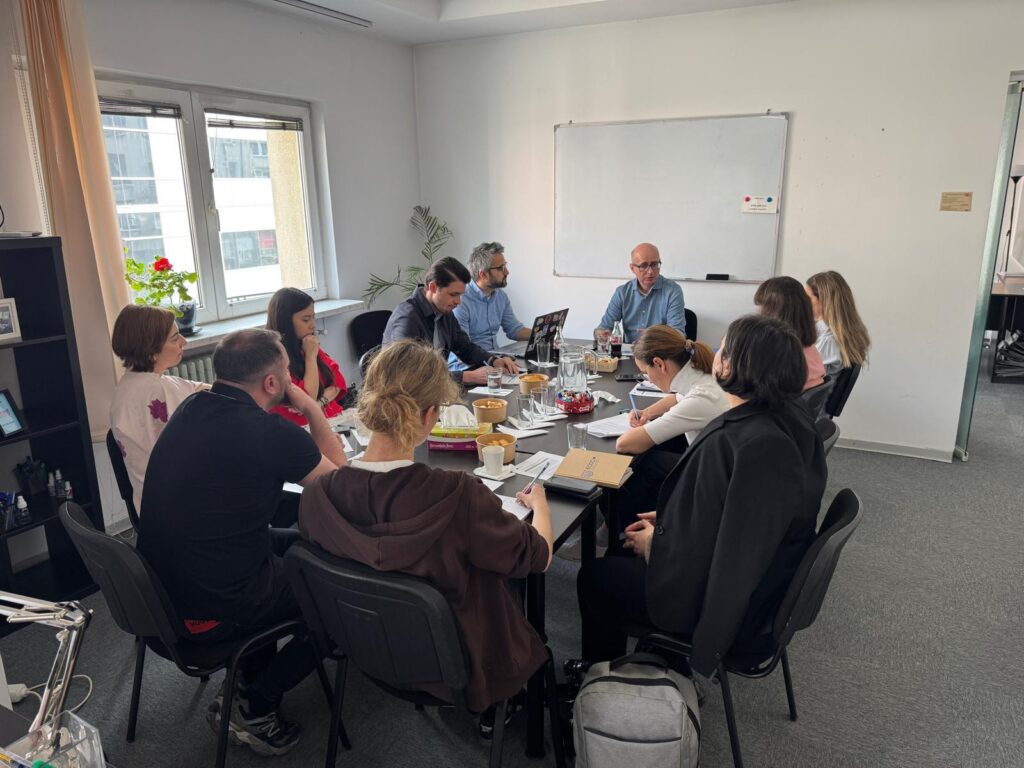
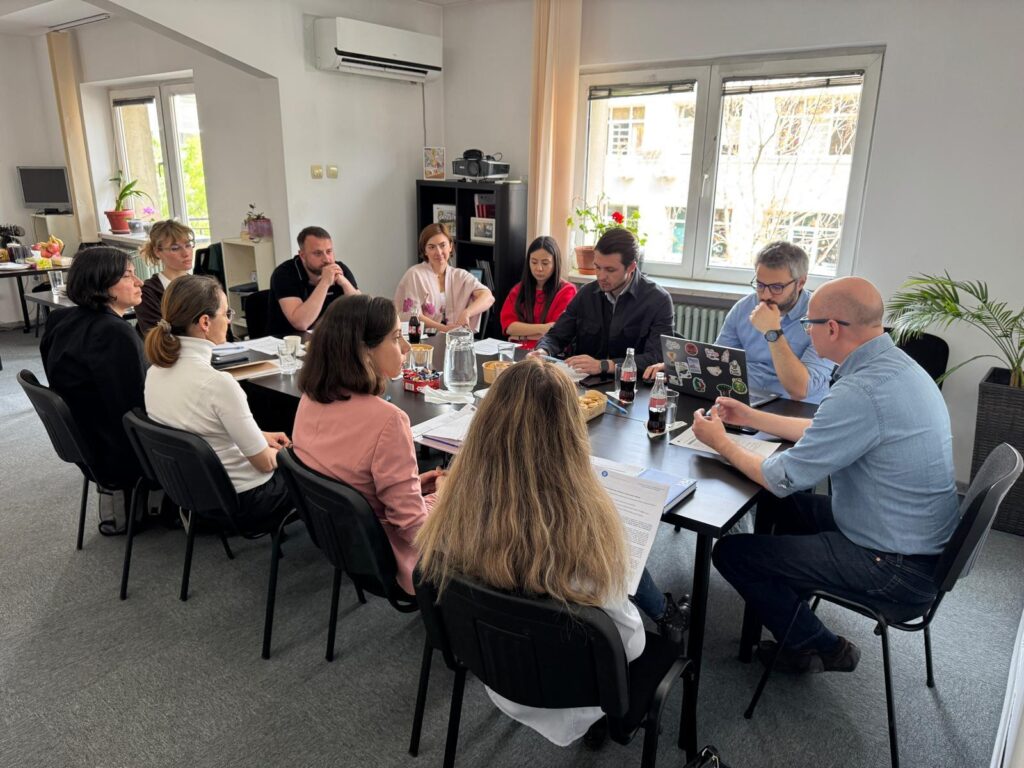
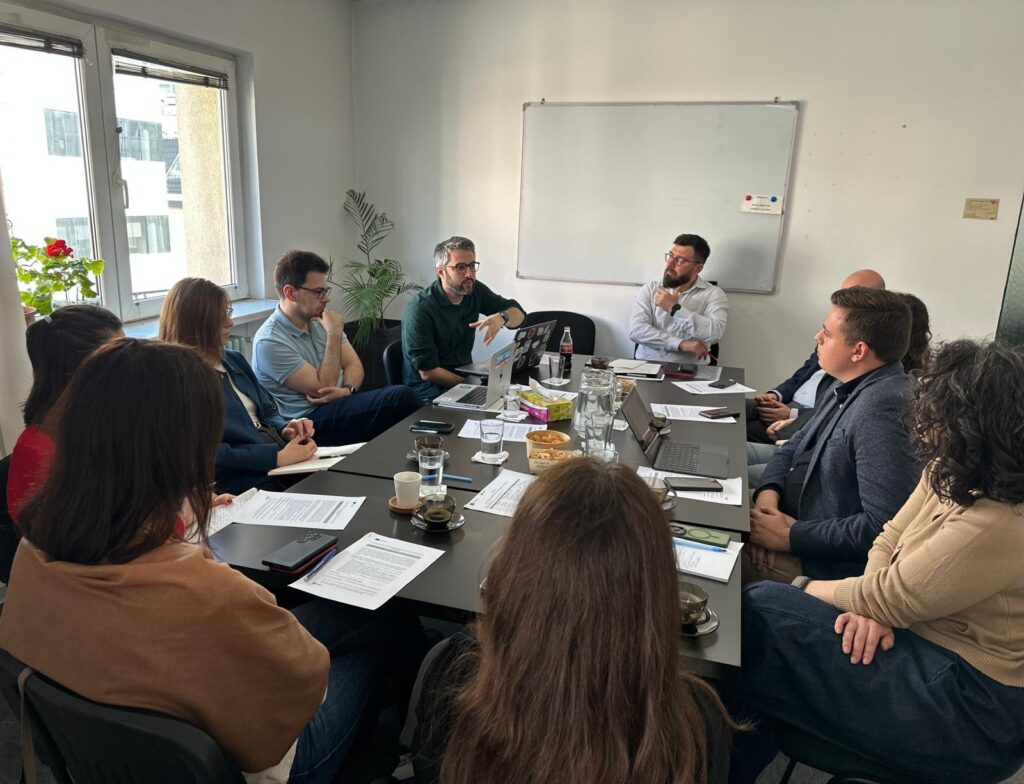
The stakeholders’ consultations are part of BUILD FAIR project, funded by the European Union through the CERV-2025-CITIZENS-CIV programme. The views and opinions expressed are solely those of the author(s) and do not necessarily reflect those of the European Union or the European Education and Culture Executive Agency (EACEA). Neither the European Union nor the granting authority can be held responsible for them.