In the field of migration, the activities of the BUILD FAIR project focus on the implementation of the EU Pact on Migration and Asylum, adopted in 2024. The Pact establishes a new common framework for managing migration and asylum across EU Member States, covering areas ranging from solidarity and responsibility-sharing mechanisms to asylum and border return procedures. In this context, the way these policies are perceived by citizens and stakeholders will play an important role in shaping their legitimacy and effectiveness.
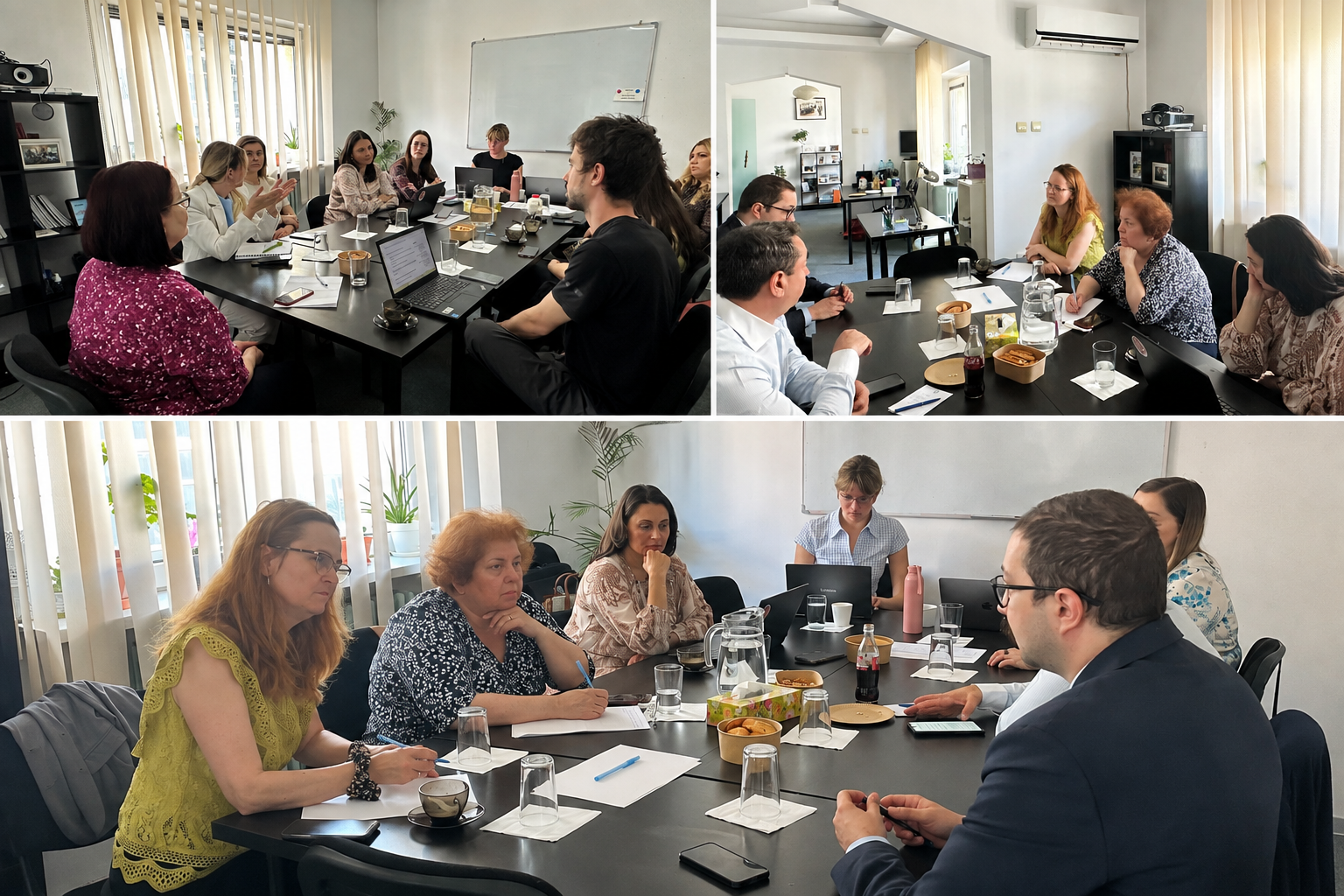
As part of the BUILD FAIR project, we organised two roundtable discussions at the end of May 2026, bringing together representatives of public institutions, civil society organisations and academia, as well as migration and asylum experts and other stakeholders. The discussions focused primarily on what fairness means in practice in the context of European migration and asylum policies.
These consultations are part of the project’s research phase, which seeks to understand how citizens and relevant stakeholders perceive the fairness dilemmas associated with the implementation of the EU Pact on Migration and Asylum.
How Do We Define Fairness?
Participants highlighted that discussions on migration are often dominated by legal and administrative perspectives, such as compliance with procedures, border management, and the distribution of responsibilities among Member States.
From a fairness perspective, participants also highlighted the importance of taking into account the vulnerabilities of people on the move, ensuring effective access to rights, protecting individuals from exploitation, and establishing procedures that enable people to exercise their rights effectively.
The discussions also showed that the same situation can be perceived very differently depending on the perspective adopted: that of Member States, host communities, or migrants themselves.
Solidarity Between MS or Solidarity with People?
One of the main topics discussed was the new European solidarity mechanism. Participants reflected on how responsibilities should be shared among Member States and on the questions raised by allowing countries to contribute financially instead of directly participating in the relocation of asylum seekers.
At the same time, an important question was raised: can relocation truly be considered fair when people are transferred to countries where they have no family, social, or linguistic ties and where their prospects for integration are limited?
The discussions highlighted that fairness is not only about relations between states, but also about the lived experiences of the individuals affected by these policies.
Migrant Returns and Responsibility in Situations of Irregular Stay
Another central topic concerned return policies. Participants emphasised that many migrants may find themselves in situations of irregular stay not because they intentionally violate the law, but because of factors such as labour exploitation, misleading promises made by intermediaries, administrative delays, or limited access to information and legal assistance.
These situations raise important questions about how responsibility should be understood and shared among migrants, employers, intermediaries, and public institutions.
At the same time, participants discussed the growing pressure at the European level to accelerate asylum and return procedures, as well as the need to strike a balance between administrative efficiency and respect for procedural safeguards.
Public Perceptions and the Reality on the Ground
A recurring point in the discussions was that public debate on migration is often dominated by isolated incidents, security concerns and polarising narratives.
Meanwhile, issues such as labour exploitation, dependence on intermediaries, administrative barriers, and unequal access to rights remain far less visible, despite being recurring challenges for organisations and professionals working directly with migrants.
Participants stressed that the way migration is framed in public discourse has a significant impact on perceptions of fairness, solidarity, and responsibility.
What comes next?
The conclusions from the two roundtable discussions will inform the next phase of the BUILD FAIR project, which will involve consultations with citizens across several European countries.
Building on dilemmas such as how responsibility is understood in situations of irregular stay, the meaning of solidarity among Member States, the balance between efficiency and fairness in asylum procedures, and differing perceptions of various categories of migrants, the project aims to better understand how citizens define fairness in European migration and asylum policies.
BUILD FAIR is funded by the European Union under the CERV-2025-CITIZENS-CIV programme. The views and opinions expressed are those of the authors only and do not necessarily reflect those of the European Union or the European Education and Culture Executive Agency (EACEA). Neither the European Union nor the granting authority can be held responsible for them.