Youth-led civic initiatives: Inspiring stories for schools and local communities
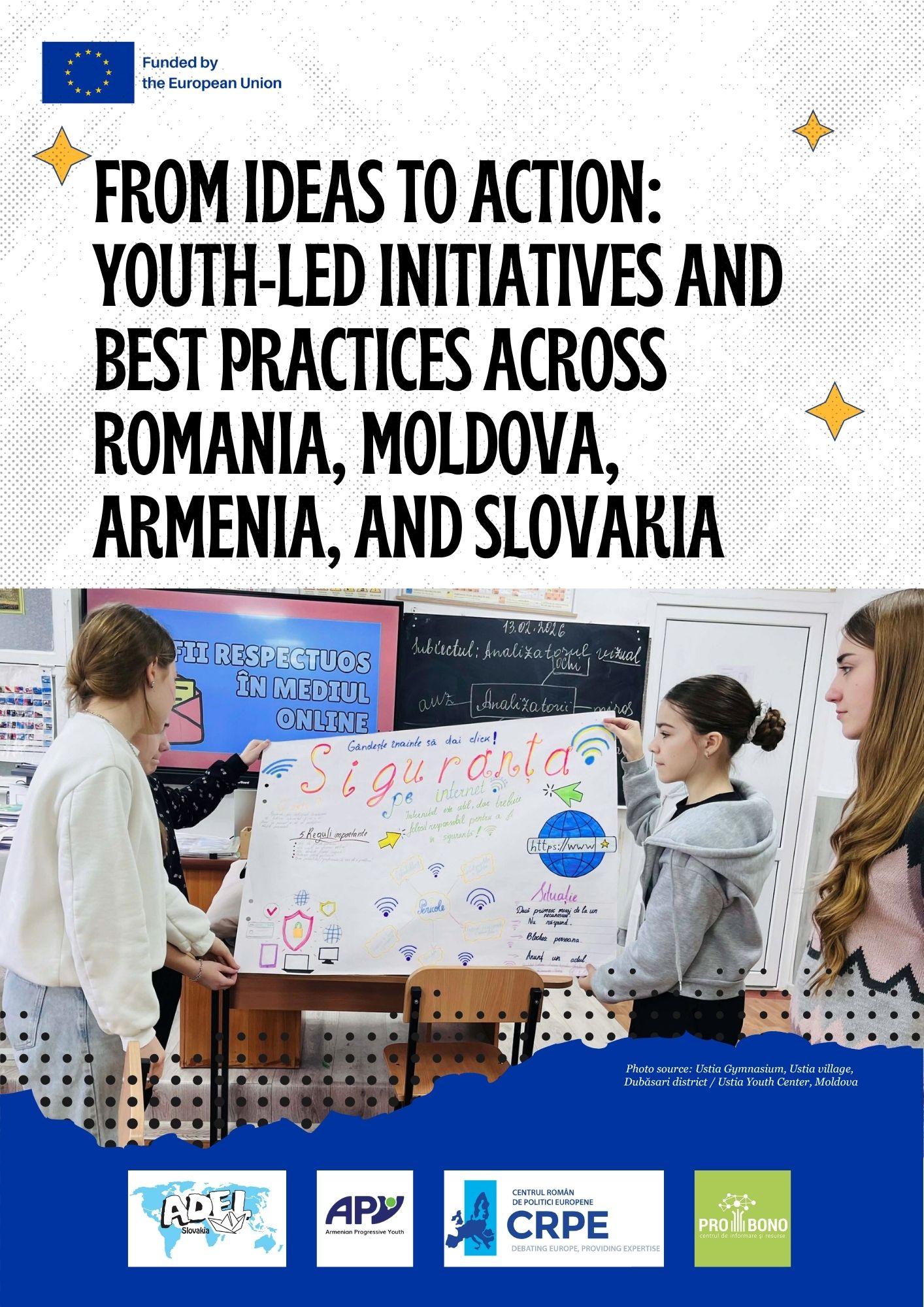
As part of our EUTEAM project, we received 77 action plans from four countries (Romania, Moldova, Armenia and Slovakia) which means 77 groups of young people decided to take action and make a change in their communities. During the project, we worked with over 2,000 young people through workshops on civic engagement, media literacy, and diversity and inclusion. Using online sessions and group work, participants were encouraged not only to learn, but also to develop their own ideas and turn them into action plans.
In this report, we present 23 of these civic initiatives conceived, led and implemented by youths. We hope they can serve as inspiration and practical examples for other youths, schools, local administrations, civil society organizations, or informal groups who want to get involved. At the Romanian Center for European Policies, we would like to thank all the young people who took part, coordinated by their teachers or youth coordinators. A special thank you goes as well to our partners—ProBono (Moldova), Adel (Slovakia), and Armenian Progressive Youth (Armenia)—for supporting, mentoring, and documenting these initiatives along the way.
Why civic involvement has to start early
Civic involvement is essential for building active, responsible, and informed citizens who can contribute to democratic societies. When young people engage early, they develop confidence, critical thinking, and a sense of ownership over community issues. Schools play a key role by offering structured environments where participation and dialogue can be practiced safely.
All our youth-led action plans started from a simple but important step: understanding what youths in their communities actually need. The topics they chose show just how diverse these needs are—from inclusion and anti-discrimination to all sorts of civic participation, mental health, well-being, and media literacy.
Youth-Led Initiatives in Action
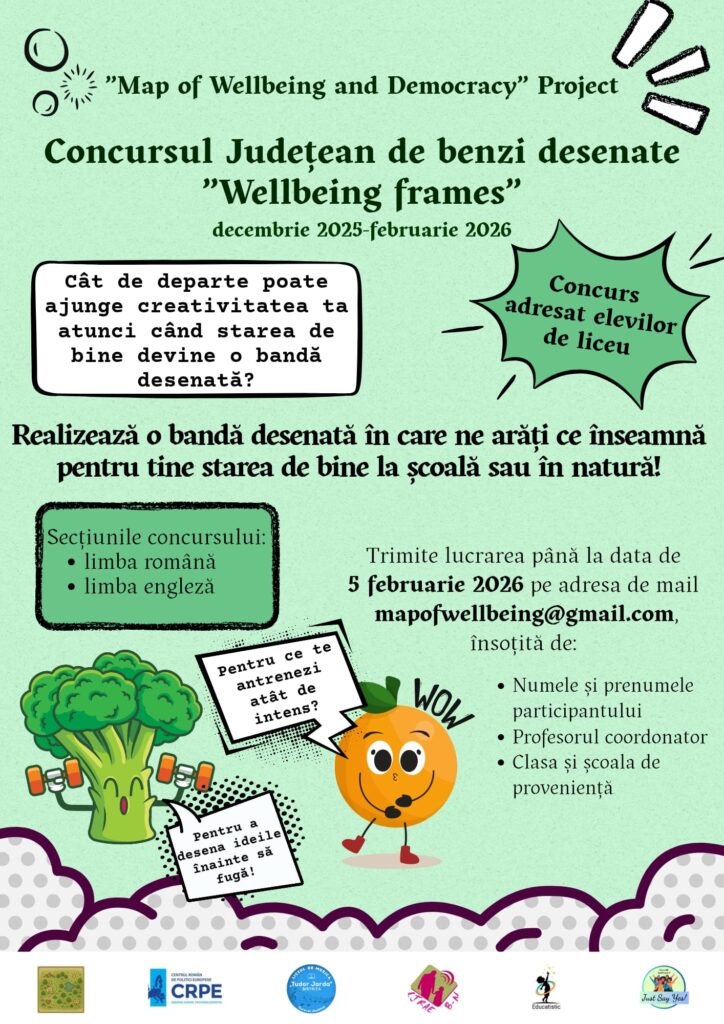
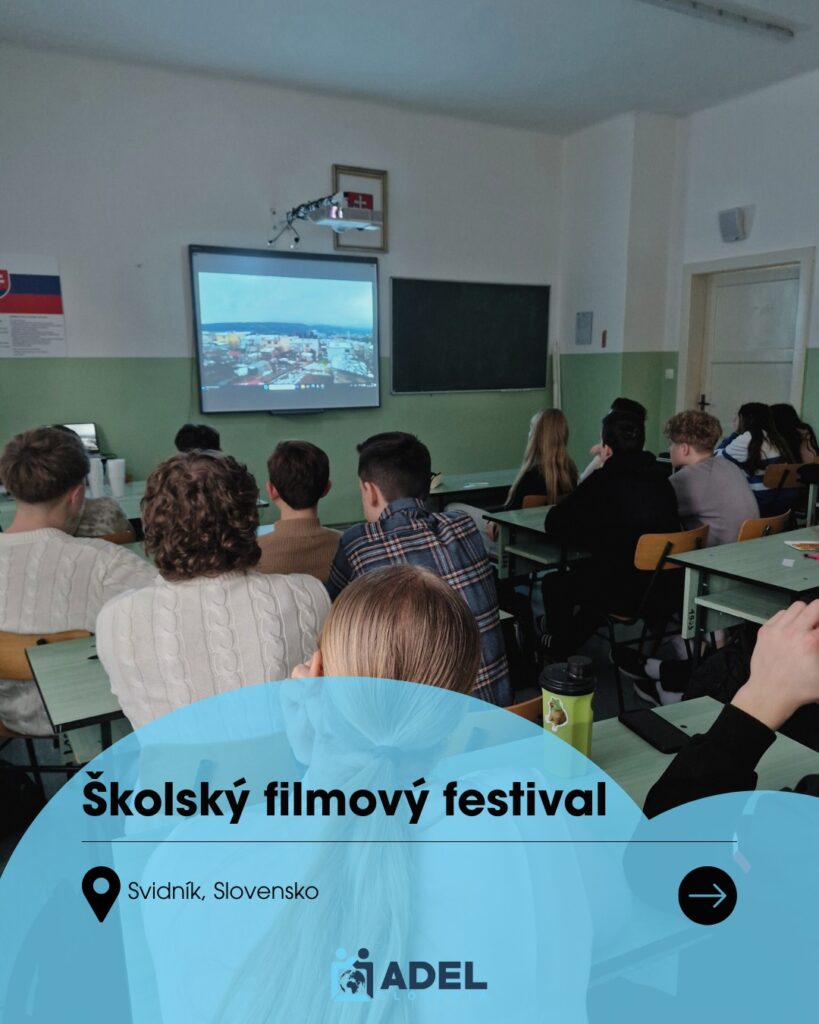
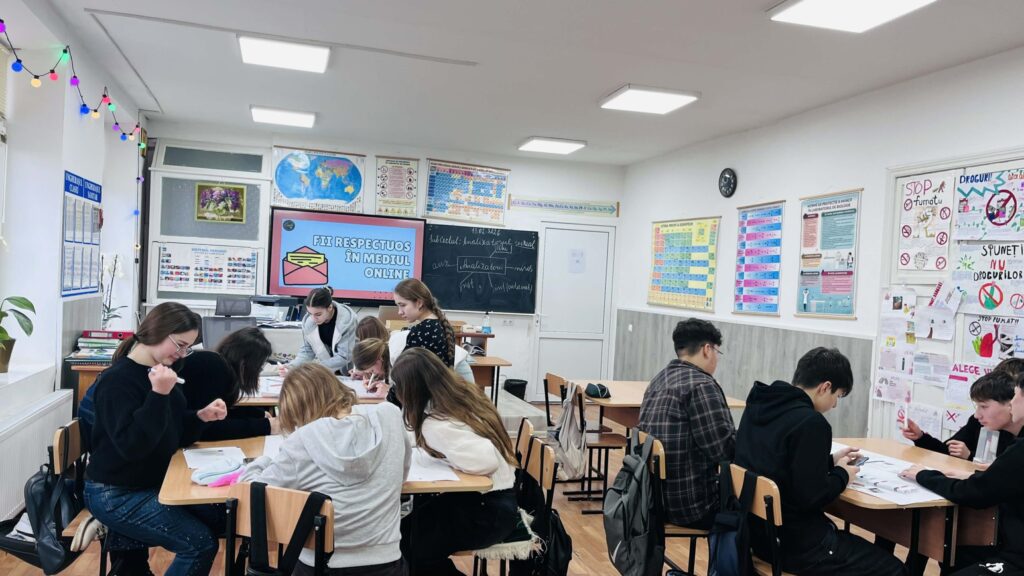
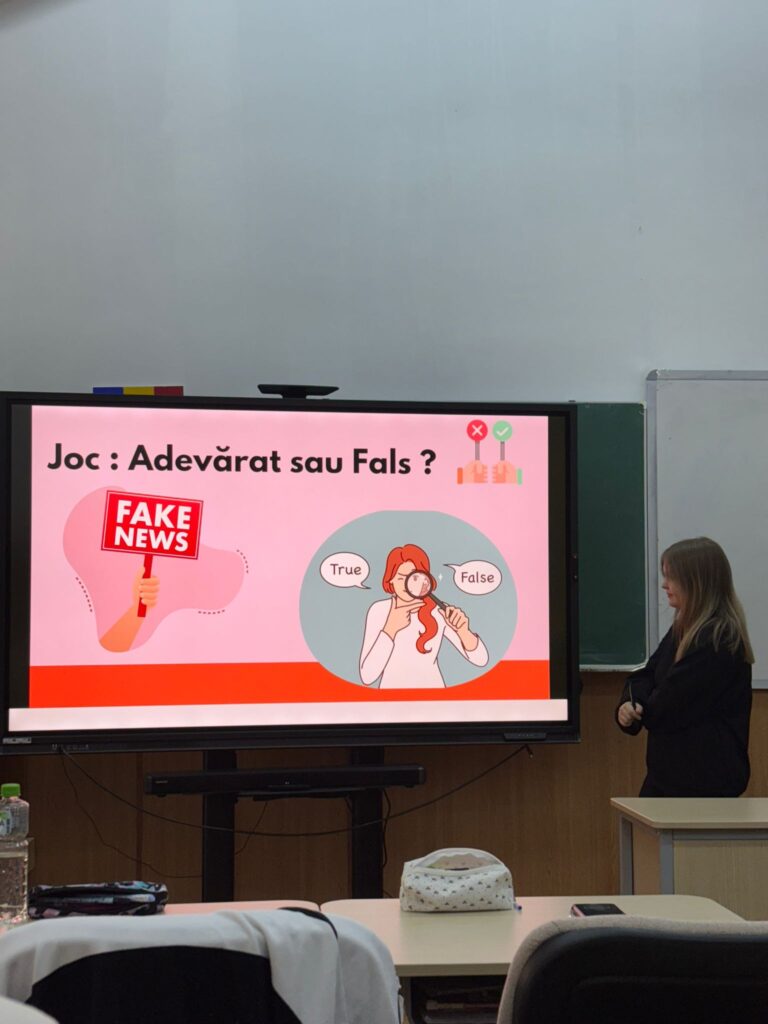
What really stood out, though, was how these ideas were put into practice. The groups showed a lot of creativity in the way they designed their activities. Some became “directors” and created short videos or even organized small film festivals. Others used puppet theatre or storytelling to talk about difficult topics with younger students. There were mock election simulations, debates, community surveys, awareness campaigns, and school-wide activities that brought students together around a shared cause. Other creative methods were also very popular: turning news articles into short theatre performances, organizing comic strip competitions, or using poetry and art to explore social issues.
Some initiatives focused on understanding their peers better, using anonymous surveys or informal interviews. Others ran social media campaigns with clear messages or hashtags. Some organized competitions—like video, poster, or photography contests—to get more people involved. In several cases, they also created safe and welcoming spaces in schools, like relaxation corners or creative hubs, where students could express themselves more freely.
Feedback received
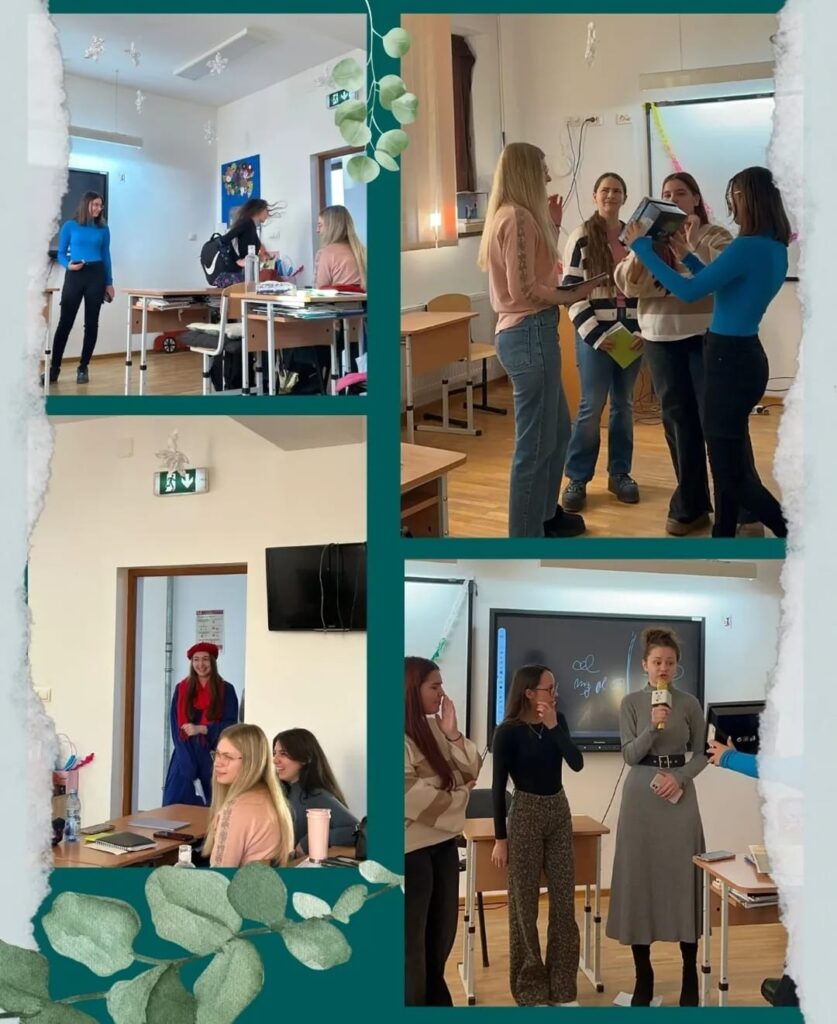
“Although I almost missed enrolling in the project last summer (2025) due to lack of time, it turned out to be one of those decisions I’m really glad I made. It brought me a genuine sense of well-being and a lot of laughter (as you can see in the photos), and honestly, in today’s education system, we really need more moments that make us smile—with purpose. We even turned skipping classes into newspaper theatre, so there was an educational element at every step.
On top of that, I rediscovered just how engaged, creative, and funny my students are. We hope to continue collaborating in future projects as well”. Alina Tomi-Sătmar, coordinating professor.
—————————-
Funded by the European Union. Views and opinions expressed are however those of the author(s) only and do not necessarily reflect those of the European Union or the European Education and Culture Executive Agency (EACEA). Neither the European Union nor the granting authority can be held responsible for them.